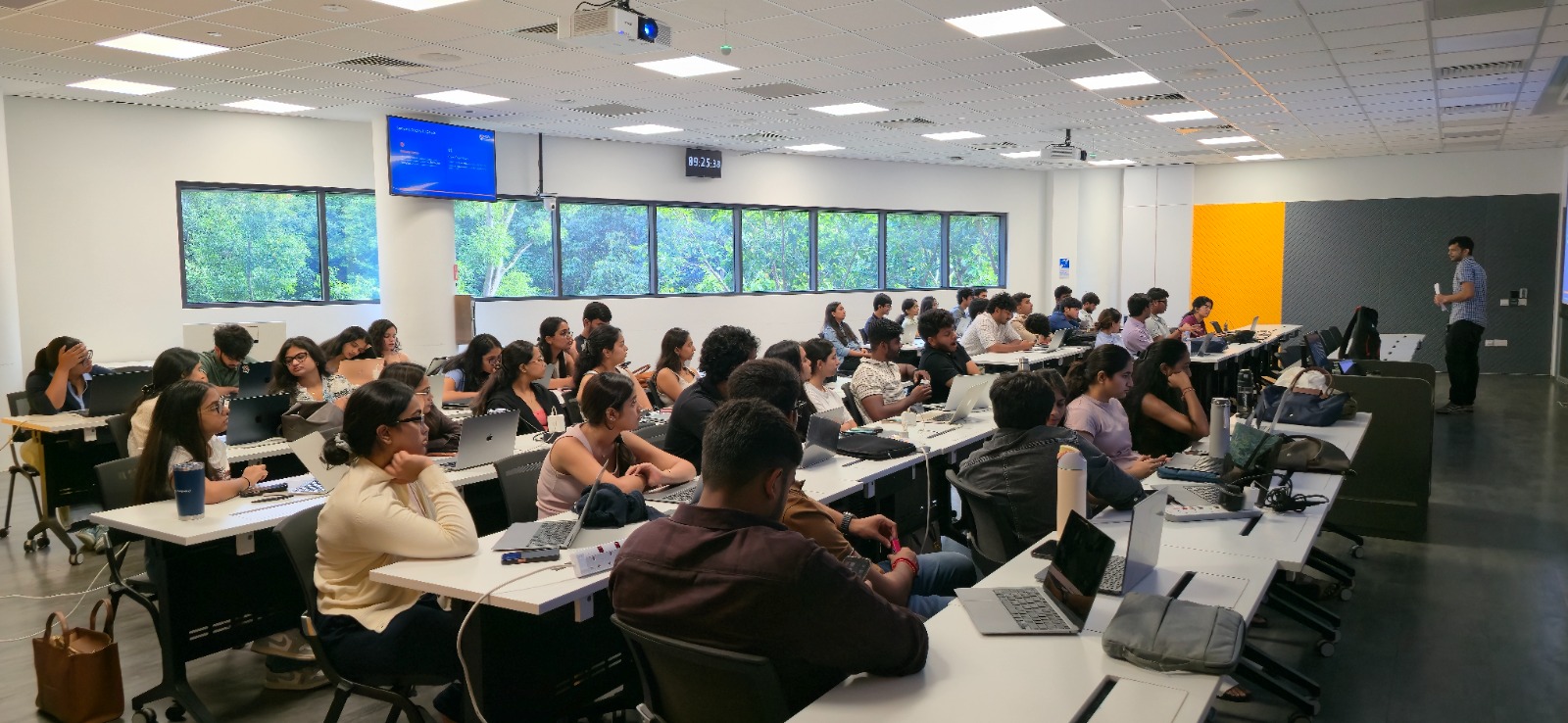
International Internships for Indian Students: Why Global Exposure Matters in 2026
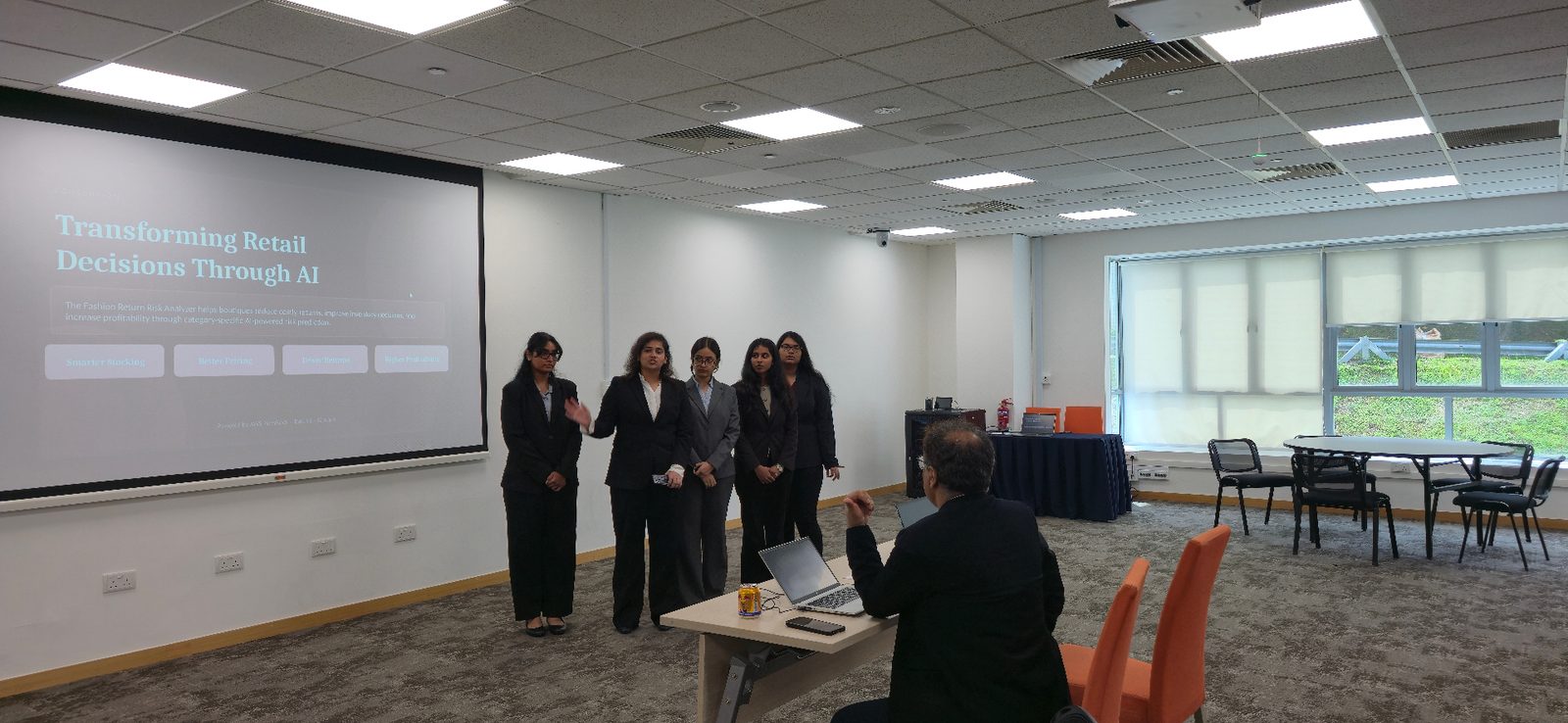
A strong degree still matters. But for students preparing for competitive careers or global university applications, grades alone rarely explain what they can do in a real environment. International internships for Indian students create a setting in which academic knowledge becomes visible evidence-projects, problem-solving, teamwork and clearer career direction.
In brief
An international internship can help Indian students turn academic knowledge into visible evidence-projects, problem-solving, teamwork, communication and career clarity. Its value depends less on the destination alone and more on the quality of mentorship, the work produced and how clearly the experience supports the student's next academic or career step.
Employers and universities increasingly look for evidence of analytical thinking, adaptability, communication, collaboration and the ability to apply knowledge to unfamiliar problems. The World Economic Forum's Future of Jobs Report 2025 identifies analytical thinking, resilience, flexibility and agility among the skills organisations continue to prioritise. An international internship creates a setting in which students can practise-and demonstrate-many of these capabilities.
That is why international internships for Indian students should not be viewed as a travel experience with a certificate at the end. The right programme can become a structured bridge between classroom learning and the decisions that follow: choosing a specialisation, building a portfolio, preparing for a master's abroad or entering a competitive job market with stronger evidence of readiness.
Why International Internships Matter More Than Ever
Global careers are increasingly shaped by distributed teams, fast-changing technologies and cross-cultural collaboration. A student may study in India, work with colleagues in Singapore, support a client in Europe and use tools developed in the United States-all within the same role. In that environment, technical knowledge is only one part of readiness.
International exposure can help students learn how to ask better questions, communicate across different working styles, adapt when instructions are incomplete and take responsibility for outcomes. These are not abstract "soft skills". They affect how effectively a person contributes to projects, manages ambiguity and earns trust in a professional setting.
For students comparing study abroad programmes for Indian students, the more useful question is therefore not "Will this look good on my résumé?" It is "What will I be able to understand, build, explain or decide more clearly after completing it?"
What a High-Quality International Internship Actually Builds
1. Practical application
Students move from learning concepts to using them. Depending on the discipline, this might involve analysing data, testing a business idea, developing a prototype, conducting research, presenting findings or solving a real organisational problem. The finished output becomes stronger evidence than attendance alone.
2. Adaptability in unfamiliar environments
A new academic, cultural or professional environment removes many familiar shortcuts. Students must observe, ask questions, adjust and make decisions with greater independence. That process often reveals strengths and gaps that are difficult to notice in a familiar classroom.
3. Communication and collaboration
Working with peers from different backgrounds teaches students to explain ideas clearly, listen actively, document decisions and respond to feedback. These habits become especially valuable in interviews, group projects, research teams and client-facing roles.
4. Career clarity
Exposure can confirm an interest-but it can also prevent an expensive mistake. A student curious about AI may discover a preference for product strategy rather than model development. Another may realise that research is exciting enough to pursue through a master's or PhD. Clarity is a meaningful return on investment.
5. Application-ready evidence
For higher education applications, the experience becomes useful when students can explain the problem they worked on, their specific contribution, what changed because of their work and how the learning connects to the programme they now want to pursue.
International Internship vs. an Unstructured Overseas Experience
A structured internship or immersion is defined by outcomes, mentorship and evidence-not by travel alone. The comparison below shows the difference clearly.
| Unstructured experience | Well-designed internship or immersion |
|---|---|
| Focuses mainly on travel and attendance | Has defined academic or professional learning outcomes |
| Limited feedback or mentorship | Includes guidance, review and opportunities to improve |
| No clear output at the end | Produces a project, presentation, report, prototype or portfolio evidence |
| Difficult to explain in an SOP or interview | Creates specific stories about decisions, challenges and learning |
| Value depends on the brand name alone | Value comes from the work completed and its relevance |
Do International Internships Help with University Admissions?
They can-but there is no automatic admissions advantage and no credible programme should promise one. Universities set their own criteria, and requirements differ by course. For example, NUS Graduate School guidance for research applicants considers academic performance, a statement of purpose, recommendations and a CV, while research involvement and publications may further strengthen relevant applications. The key lesson is that an internship matters when it adds relevant evidence to the complete application.
An international internship can strengthen an application in four practical ways:
- It gives the SOP a specific experience to analyse rather than a generic claim of interest.
- It can generate a substantial project, research output or portfolio sample.
- It may help a mentor or supervisor write a more evidence-based recommendation.
- It helps the student choose programmes based on informed interest rather than rankings alone.
Students should avoid presenting the experience as proof that they "deserve admission". A stronger approach is to explain what they learned, how they contributed, what questions emerged and why those questions now lead naturally to the chosen degree. If a master's is the goal, thoughtful master's admission planning helps connect the experience to the right programme.
Why Singapore Is a Strategic Destination for Indian Students
Singapore is a practical setting for students who want to experience an international education and innovation ecosystem within Asia. Its universities, research environment, multinational business presence and compact urban structure make it possible for short programmes to combine academic exposure, industry context and cultural learning.
For summer programs in Singapore for students from India, the destination should still be evaluated carefully. A Singapore location is not enough by itself. Students should examine who delivers the academic content, where classes are conducted, what work they will complete, how they will be assessed and what support is provided before and during travel. For a wider view, read why Singapore is becoming a smarter study abroad choice for Indian students.
Short-term programmes and full-time university study are also different pathways. A summer internship or immersion can help a student test interests and build evidence, but it does not replace the formal requirements of a degree application. For full-time study, international students generally need admission to an eligible course before applying for Singapore's Student's Pass through the Immigration & Checkpoints Authority.
How to Choose the Right International Internship
Before enrolling, evaluate the programme using the following checklist:
- Clear learning outcomes: Can the provider explain what students will know or be able to do?
- Relevant academic fit: Does the subject connect with the student's interests, current studies or future plans?
- Meaningful output: Will the student complete a project, report, presentation, research task or prototype?
- Qualified mentorship: Who teaches, supervises and provides feedback?
- Transparent university and industry roles: Are the organiser, academic service provider and industry contributors described accurately?
- Assessment and reflection: Is there a structured way to review progress and articulate learning?
- Safety and student support: Are travel, accommodation, supervision, emergency processes and local coordination clearly defined?
- Honest outcomes: Does the provider avoid guarantees about admission, scholarships or employment?
Choose an Experience That Builds More Than a Certificate
The right international programme should help you explore your interests, apply your learning and return with evidence you can use in future academic and career decisions.
Explore University ProgrammesWho Benefits Most from an International Internship?
The strongest fit is usually a student who has a question they want to test. Examples include:
- A high-school student deciding between computing, engineering, business, design or research.
- An undergraduate who understands theory but needs a stronger project portfolio.
- A student preparing for a master's abroad who wants clearer academic direction and evidence for an SOP.
- A recent graduate who needs to demonstrate initiative, teamwork and applied problem-solving.
- A student who has studied in one system and wants to understand how learning and work operate in another.
It may be less valuable for a student who is joining only for a certificate, cannot explain how the subject connects to their goals or has not reviewed the academic and support structure carefully. School students can begin with international programmes for school students before progressing to deeper university experiences.
How to Turn the Experience into Long-Term Value
The programme ends, but the value should not. Students should convert the experience into a clear evidence trail:
- Document the problem: Write down the question, brief or challenge the team worked on.
- Define your contribution: Separate what the group achieved from what you personally handled.
- Capture the output: Preserve a permitted version of the presentation, report, code, prototype or reflection.
- Quantify where possible: Record the number of users interviewed, datasets analysed, design iterations completed or results achieved.
- Reflect honestly: Note what failed, what changed and what you would do differently.
- Connect it to the next step: Use the evidence to refine your CV, portfolio, SOP, interview answers or course shortlist.
How Corporate Gurukul Approaches Global Learning
Corporate Gurukul designs and organises global academic, internship, immersion and research experiences for school and university students. Depending on the programme, academic delivery may be provided by faculty or institutions engaged by Corporate Gurukul, with classes conducted at the relevant service provider's campus. Programme formats are designed around applied learning, mentorship, project work and reflection so students leave with more than exposure alone. Explore our global immersion programmes to see how each format is structured.
Students and families should review the individual programme page for the exact academic delivery provider, campus, duration, eligibility, credential and outcome structure. These details vary across programmes and should not be assumed from another cohort or track.
Chosen well, international exposure for students becomes far more than a line on a résumé-it becomes evidence of how a student thinks, works and grows. That is the real return on an international internship for Indian students building global career readiness in 2026 and beyond.
Explore Global Learning with Greater Clarity
Discover school and university programmes designed to help students explore academic interests, apply knowledge and make more informed decisions about their future.
Frequently Asked Questions
Are international internships worth it for Indian students?
They can be highly valuable when the programme has credible mentorship, relevant project work, clear outputs and strong student support. The value comes from the skills, evidence and clarity gained-not simply from travelling abroad.
Do international internships guarantee admission to a foreign university?
No. Admissions decisions are made independently by universities. A relevant internship may strengthen the overall application, but it cannot replace academic requirements, programme fit, application documents or official selection processes.
Do summer programmes abroad help with college or master's applications?
They can help when students use the experience to demonstrate subject interest, project outcomes, reflection and informed academic direction. A certificate without meaningful work or learning is much less persuasive.
What is the best age to start global exposure?
There is no single best age. School students benefit from structured discovery and foundational skill-building, while undergraduates can pursue deeper academic internships, research, industry projects and master's-profile development.
How should students compare study abroad programmes?
Compare learning outcomes, academic relevance, mentorship, project output, assessment, safety, student support, cost transparency and the accuracy of claims about universities or industry contributors.
Why do students choose Singapore for short academic programmes?
Singapore offers an international, English-speaking education and innovation environment in Asia. Its value is strongest when the programme combines credible academic delivery, applied work, cultural exposure and clear student support.