
FIRE: Future-ready Innovation and Research Excellence
Pioneering Research for Tomorrow's Innovators
Duration
20 Weeks LIVE Online
Learner Profile
Ages 18+ / University
Programme Fee
USD 1,999
[Tuition]
Completion Documents
NUS ISAS
Building Future Researchers & Leaders
FIRE is nurturing the next generation of thinkers, researchers, and global innovators.
Weeks of Mentorship
Live Sessions
Research Themes
Students Per Group
Research Paper
Research Conference
About FIRE
The Future-ready Innovation and Research Excellence (FIRE) Programme is a transformative 20 week LIVE online experiential journey conducted by NUS Research Mentors at the National University of Singapore (NUS). Designed for university undergraduates and graduate students, aged 19-25 years, passionate about research, innovation, and technology.
Students will explore cutting-edge concepts, research methodologies, participate in hands-on projects, and develop critical thinking and problem-solving skills essential for the future of technology. This programme blends academic excellence with experiential learning guided by world-class faculty.
FIRE aims to transform students into independent thinkers, empathetic researchers, and global innovators. Upon completion, participants get an opportunity to present their research paper at the Research Conference in NUS, Singapore. The programme prepares participants not only for university success but also for leading meaningful change in society.
Research Themes
Explore cutting-edge research areas that shape our global future
International Relations, Multipolarity and Multilateralism
Politics, Society and Governance
Trade and Economics
Strategic Technologies
Sustainability and the Environment
Learning Outcomes
Apply research methodologies to address real-world challenges.
Integrate concepts from technology, management, and social sciences to solve contemporary issues.
Participate in research project consultation, seminars, live projects, and assessments aligned with global academic standards.
Use research frameworks to do literature review, identify problems, gather data, conduct research, prototype, and present innovative solutions to global challenges.
Programme Structure
A comprehensive LIVE online learning journey with expert NUS mentorship
LIVE Online Programme20 Weeks
- 10 consultation sessions (30 mins each)
- Research consultation with NUS mentors
- Group work (3-4 participants per group)
- Total: 5 hours of live consultation
- Self-directed research work: 30+ hours
Research Conference Opportunity
Upon successful completion of the programme, participants get an exclusive opportunity to present their research paper at the Research Conference in NUS, Singapore. Showcase your work to an international academic audience and gain valuable presentation experience.
Programme Completion Documents
Recognized credentials from the National University of Singapore
Letter of Evaluation NUS ISAS
Letter of Recommendation NUS ISAS
Project Case Studies
Real projects developed by our students, showcasing innovation and practical application of skills
Transformer-Augmented Deep Learning Models for Chest Radiography
by Krishna Goel, Naman Kamra, Kahaan Pandya & Vanad Gupta
Developed a hybrid CNN-Transformer system comparing 18 architectures for chest X-ray classification across COVID-19, Viral Pneumonia, Lung Opacity, and Normal classes using 9,600 augmented images.
Technologies Used:
Outcome:
DETR + DenseNet201 achieved 99.03% accuracy, outperforming all standalone CNNs and ViT hybrids
Enhanced 4-Class Motor Imagery EEG Classification Using ATCNet
by Aditya Kartikeyan, Sarah Patro, Manish Raj & Akshaya Kumar RU
Built an attention-based deep learning model for 4-class Motor Imagery EEG classification, enabling Brain-Computer Interface control for rehabilitation, assistive technologies, and neuroprosthetics applications.
Technologies Used:
Outcome:
ATCNet achieved 97.57% accuracy on top subjects with avg. 87.42% across performers
AI for Psychological Distress Detection
by Achyuth Samavedhi, Hrudaya Guttikonda, Eesha Chandrasekaran & Kavya Sri Madepalli
Built a multimodal deep learning system using VGGish + LSTM + Attention for audio and AMST + BERT-CNN for text to detect depression and PTSD from clinical interview recordings, analyzing voice, transcripts, and facial action units.
Technologies Used:
Outcome:
Achieved 0.90 F1-score and 86% accuracy using AMST + BERT-CNN + LSTAFN multimodal fusion
Alumni Experiences
Hear directly from our alumni about their transformative learning journeys
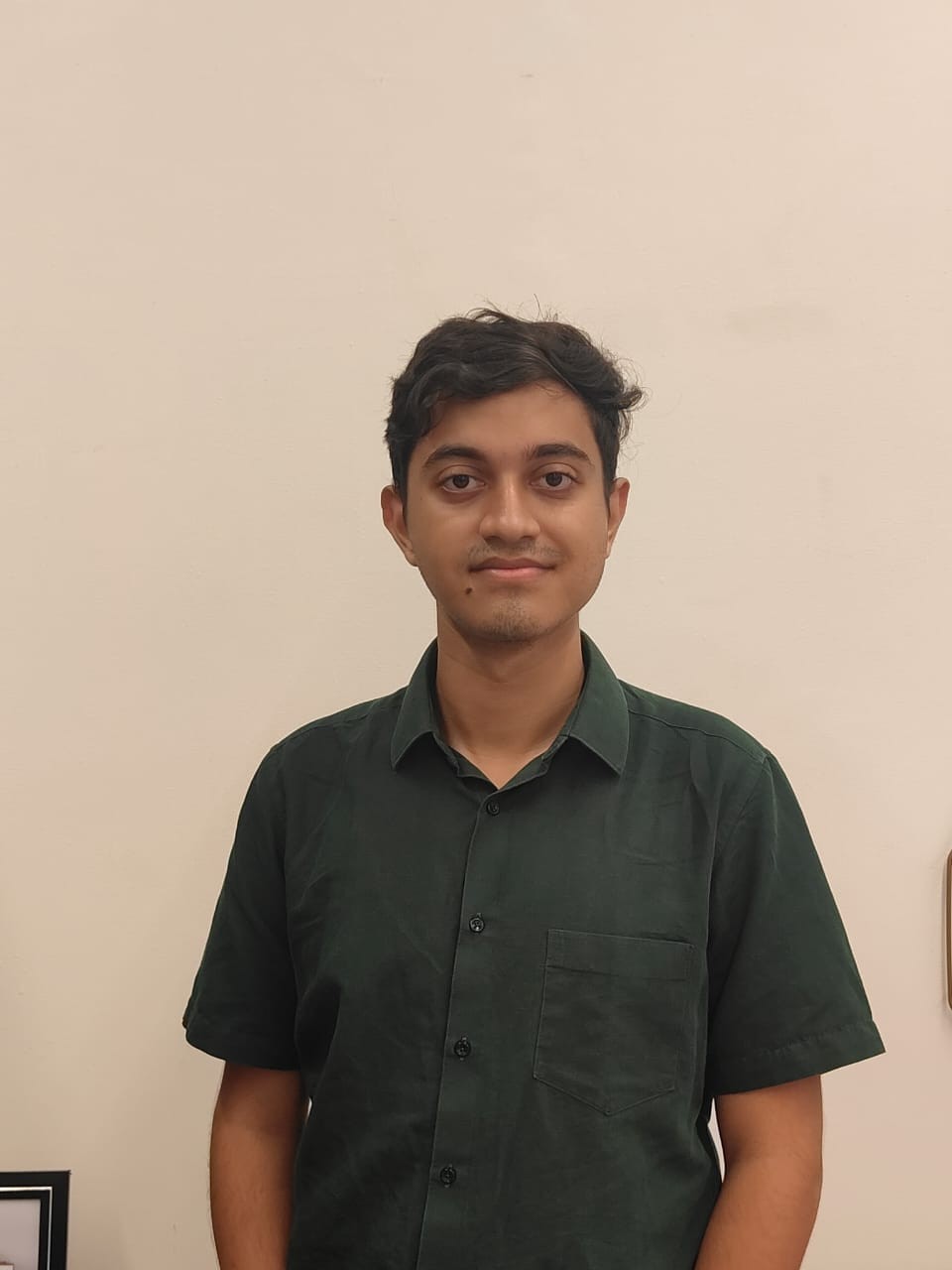
"The programme was highly rewarding—short, focused sessions and continuous feedback helped us improve quickly. Guidance from our faculty mentor shaped a strong, publication-ready proposal, while steady support on data and code kept us on track."
Nandan Kamra
BITS Pilani
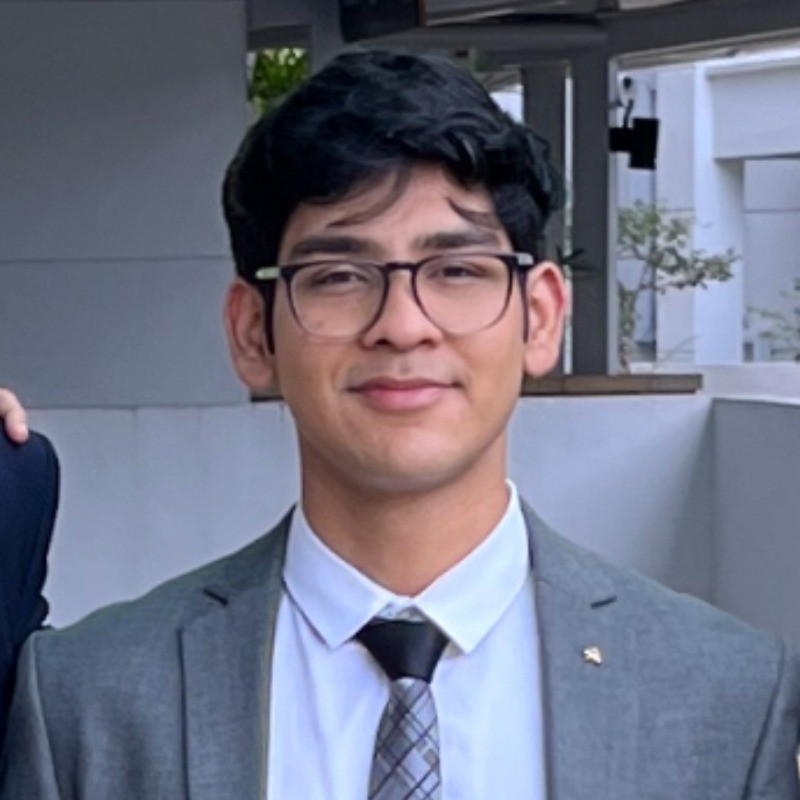
"The FIRE Programme helped me build a strong, research-oriented profile beyond academics. It connected me with experienced mentors, gave me hands-on research exposure, and boosted my confidence to pursue research internships, which significantly strengthened my profile for master's applications abroad."
Parth Gupta
VIT, Chennai
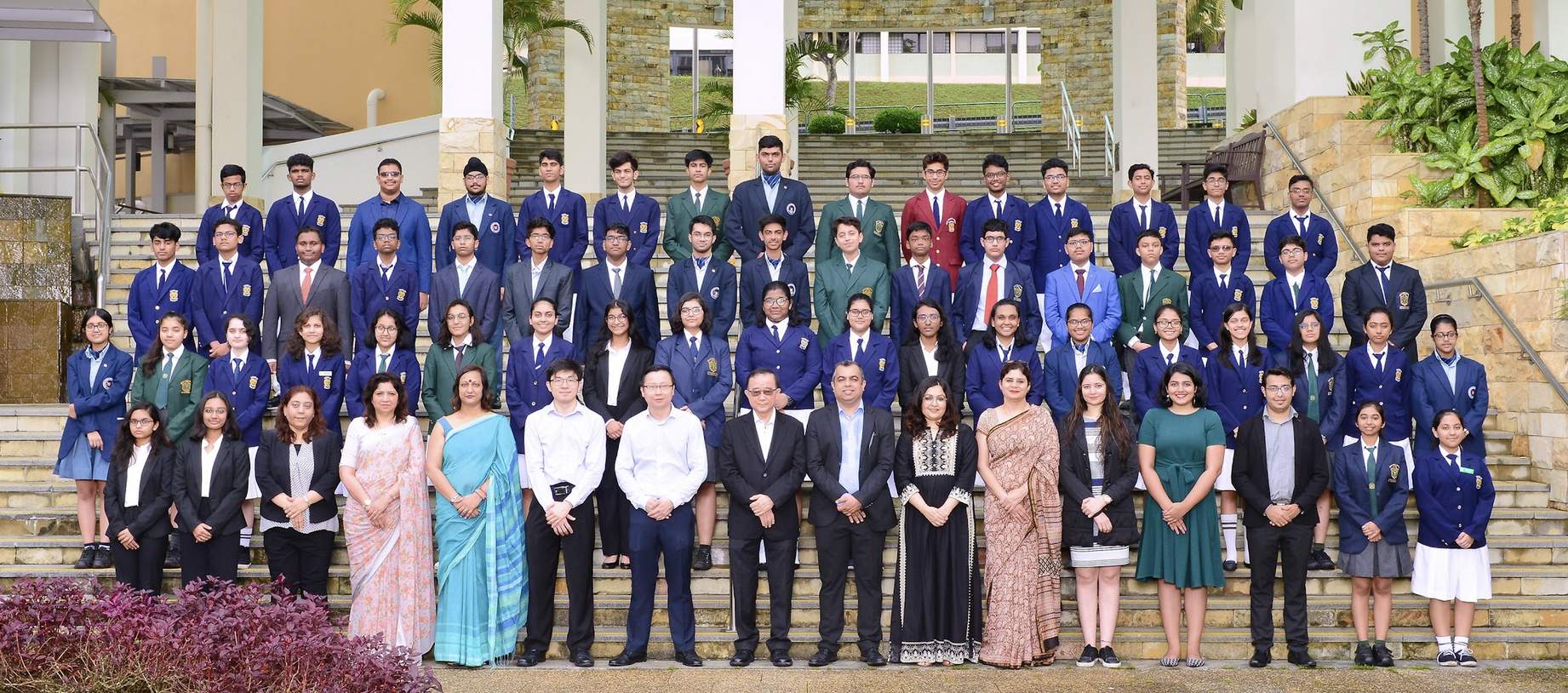
Ready to Transform Your Research Journey?
Join FIRE and become part of a global community of innovators and researchers at NUS